How to Reset a Honeywell Home Thermostat in 2026
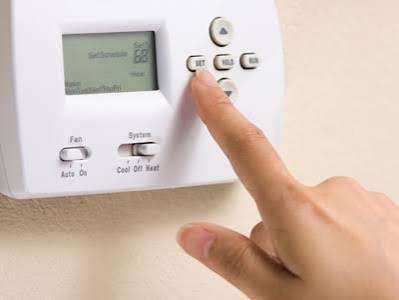
A thermostat is one of the most frequently used controls in a home's heating and cooling system. When settings become unresponsive, schedules behave unexpectedly, or a connected thermostat develops a temporary software issue, resetting the device may help restore normal operation. However, not every Honeywell Home thermostat resets in the same way, and choosing the wrong reset procedure can erase customized settings.
Understanding the reset process can help homeowners troubleshoot common issues while knowing when professional HVAC assistance is necessary.
Why Would You Reset a Thermostat?
There are several reasons a homeowner might need to reset a thermostat. A temporary software problem, incorrect schedule, connectivity issue, or configuration change can sometimes make the controls behave unexpectedly.
A reset may also be useful when preparing a thermostat for a new homeowner or changing how the device is configured. However, resetting should not automatically be the first response to every HVAC problem.
If the thermostat is completely blank, repeatedly loses power, or the heating or cooling system does not respond after basic troubleshooting, the underlying issue may involve the HVAC equipment rather than the thermostat itself.
Identify the Exact Thermostat Model First
The most important step in how to reset a Honeywell Home thermostat is identifying the specific model. Honeywell Home has produced numerous thermostat families with different interfaces and reset procedures.
Some models offer reset options directly through touchscreen menus. Others use physical buttons or require a specific sequence of controls. A procedure that works for one model may not apply to another.
The official Resideo support resources provide model-specific information, including installation instructions, troubleshooting documentation, and product manuals. Checking the documentation for the exact thermostat is therefore preferable to following a generic reset sequence.
Different Types of Resets
Not every reset has the same purpose. Depending on the thermostat model, available options can include restarting the device, resetting the schedule, restoring certain settings, or performing a complete factory reset.
A simple restart is generally intended to resolve a temporary operational issue without changing all personalized settings. A schedule reset can remove programmed temperature periods. A factory reset is more comprehensive and can return the thermostat to its original configuration.
Before choosing a reset option, homeowners should understand what information will be erased. Smart thermostats may lose Wi-Fi credentials, schedules, preferences, or other personalized configurations after a factory reset.
Check the Basics Before Resetting
Many apparent thermostat problems are caused by basic issues rather than software. Before performing a reset, check whether the thermostat has power and whether the HVAC system's circuit breaker and equipment switch are operating normally.
For battery-powered models, inspect the batteries and replace them if necessary. Make sure the thermostat is properly seated on its wall plate if the design uses a removable faceplate.
Also check whether the furnace or air handler is receiving power. A thermostat cannot properly control an HVAC system when the equipment itself has lost power.
These simple checks can prevent unnecessary resets and may reveal a problem that requires professional service instead.
Smart Thermostats Add Another Layer
Modern Honeywell Home thermostats increasingly incorporate connected features, including Wi-Fi, smartphone controls, scheduling, and integration with smart-home platforms. These capabilities can make HVAC management more convenient, but they also introduce additional troubleshooting considerations.
For example, a homeowner may think the thermostat needs a factory reset when the actual problem is a temporary network or application connection issue.
Before resetting a connected thermostat, verify whether the problem affects the physical thermostat interface, the mobile application, or the internet connection. This distinction can save time and prevent unnecessary loss of personalized settings.
Follow the Manufacturer's Instructions
When homeowners search for how to reset a Honeywell Home thermostat, they may encounter many generic instructions online. These can be useful for understanding the general concept, but the exact process should come from documentation for the installed model.
Resideo maintains official support resources for Honeywell Home products, including thermostat information and troubleshooting assistance.
This is particularly important for newer models because menu layouts, software features, and reset options can differ substantially from older programmable thermostats.
What Happens After a Factory Reset?
A factory reset may require the thermostat to be configured again from the beginning. Depending on the model, this can include selecting the system type, entering temperature preferences, creating schedules, connecting to Wi-Fi, and pairing the device with a mobile application.
For this reason, homeowners should record important settings before performing a complete reset. If the thermostat was professionally configured, keeping the original installation documentation can also make the reconfiguration process easier.
After resetting, verify that the thermostat is communicating correctly with the heating and cooling equipment before assuming the problem has been resolved.
When a Reset Is Not Enough
A reset cannot repair a defective transformer, damaged wiring, failed control board, blown fuse, faulty HVAC component, or other mechanical or electrical problem.
If the thermostat repeatedly loses power after being reset, the HVAC system does not respond to temperature changes, breakers continue to trip, or wiring appears damaged, professional diagnosis is the safest option.
Homeowners should never bypass safety switches or experiment with electrical wiring simply to make a thermostat operate. HVAC control circuits may involve low-voltage components, but incorrect handling can still damage equipment or create safety hazards.
A More Connected Approach to HVAC in 2026
Smart HVAC technology continues to evolve, with manufacturers increasingly focusing on energy management, remote control, automation, sensors, and integration with broader connected-home systems.
These developments make thermostat configuration more important than ever. Homeowners can gain greater efficiency and convenience, but only when the thermostat is correctly configured for the HVAC equipment and household routine.
A reset should therefore be viewed as a troubleshooting tool rather than a universal solution. Identifying the model, understanding the type of reset required, and following manufacturer-specific instructions are the most reliable ways to protect settings and restore normal operation.
Conclusion
Resetting a Honeywell Home thermostat can sometimes resolve temporary configuration or software problems, but the correct procedure depends on the specific model. Before resetting, homeowners should check basic power and equipment conditions and understand what information could be removed.
For persistent problems, professional HVAC service is often more appropriate than repeatedly resetting the thermostat. A qualified technician can determine whether the issue originates with the thermostat, wiring, or heating and cooling equipment.
By combining manufacturer guidance with sensible troubleshooting, homeowners can keep their thermostat functioning reliably while making better use of the increasingly advanced HVAC technology available in 2026.

About Premium Author
This post has been authored and published by one of our premium contributors, who are experts in their fields. They bring high-quality, well-researched content that adds significant value to our platform.

Popular Categories
Stay Connected
Recent Posts