Home Inspection Services: A Complete Guide for Homeowners in 2026

Buying a home is a major financial decision, but responsible property ownership does not end after closing. Every home contains numerous systems and components that require regular maintenance, and some concerns may remain unnoticed until they become expensive problems. Professional inspections can help buyers and homeowners understand a property's condition and make informed decisions.
Reliable Home Inspection Services provide an objective assessment of accessible and visible components throughout a residential property. Whether someone is purchasing a home, preparing to sell, or maintaining an existing property, a professional inspection can provide valuable information about current conditions and potential maintenance needs.
Why Home Inspections Matter
A property can appear perfect during a short walkthrough while still having concerns that are difficult to recognize without professional knowledge. Roofing systems, electrical components, plumbing, HVAC equipment, drainage, and structural elements all deserve careful attention.
Common issues discovered during residential inspections may include:
- Roof deterioration
- Plumbing leaks
- Electrical deficiencies
- HVAC concerns
- Moisture intrusion
- Drainage problems
- Foundation observations
- Damaged windows and doors
- Attic ventilation concerns
Identifying these conditions early gives property owners an opportunity to investigate them and determine appropriate next steps.
What Does a Home Inspection Cover?
The exact scope of an inspection depends on the property, inspection agreement, and applicable standards. Generally, an inspector evaluates accessible and visible components of the home.
Roofing
The roof is one of the most important protective systems in a house. Inspectors may examine visible roofing materials, flashing, drainage components, and other accessible areas for signs of damage or deterioration.
Regular attention to roofing conditions can help homeowners address minor concerns before they contribute to water intrusion.
Electrical Systems
Electrical systems require careful evaluation because certain deficiencies may create safety concerns. An inspection may include accessible electrical panels, outlets, switches, wiring, and other components.
When significant electrical concerns are identified, homeowners should consult a qualified electrician for appropriate evaluation and repairs.
Plumbing
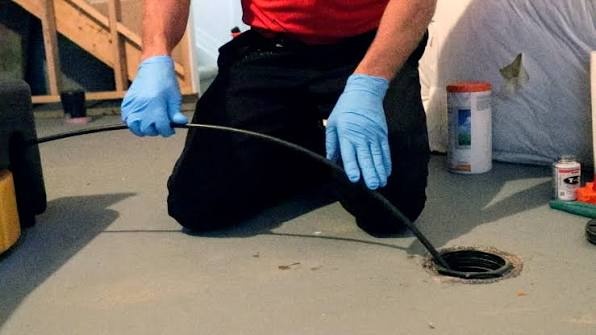
Plumbing problems can range from minor fixture leaks to larger issues involving supply and drainage systems. Inspectors may examine accessible piping, fixtures, water heaters, and visible plumbing connections.
Early detection can help reduce the risk of water damage and unexpected repair expenses.
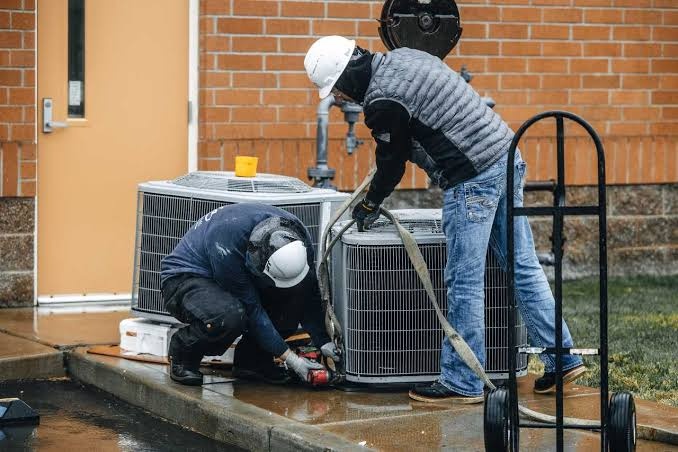
HVAC Equipment
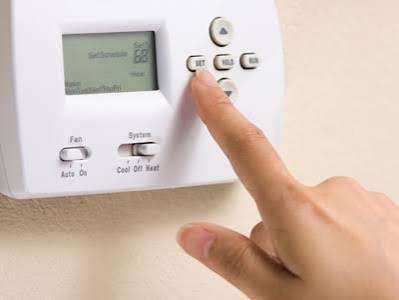
Heating and cooling systems are essential for indoor comfort. An inspection may document the visible condition and operation of accessible HVAC equipment and related components.
Regular professional maintenance remains important for keeping these systems operating properly.
Benefits for Homebuyers
For buyers, an inspection can provide valuable information before completing a significant financial transaction. Rather than relying solely on appearance or seller-provided information, buyers can review professional observations about accessible property components.
Inspection findings may help buyers:
- Understand the home's current condition
- Identify potential maintenance needs
- Plan future expenses
- Request specialized evaluations
- Make more informed purchasing decisions
An inspection cannot identify every hidden defect, but it provides an important layer of information before closing.
Why Sellers Should Consider Inspections
Sellers can also benefit from evaluating their property before listing it. A pre-listing inspection can identify potential concerns before they are discovered by a prospective buyer.
This gives sellers time to:
- Obtain repair estimates
- Complete selected repairs
- Organize maintenance records
- Prepare appropriate disclosures
- Reduce unexpected negotiation issues
Being informed about the property's condition can make the selling process more predictable.
New Construction Needs Attention Too
New homes are often associated with modern materials and systems, but new construction can still contain observable defects or workmanship concerns.
An inspection may identify issues involving:
- Doors and windows
- Drainage
- Roofing
- Plumbing
- Electrical components
- HVAC installation
- Interior finishes
- Exterior materials
Identifying these concerns early can give homeowners an opportunity to communicate with the builder and address applicable warranty items.
Specialized Inspections Can Add Value
A general residential inspection is useful, but certain properties may benefit from additional specialized evaluations. The appropriate services depend on the home's age, location, construction, and history.
Potential services include:
- Wind mitigation inspections
- Four-point inspections
- WDO inspections
- Pool and spa inspections
- Water quality testing
- Mold and air quality testing
- Infrared thermal imaging
- Solar panel inspections
- Foundation evaluations
- Post-hurricane inspections
Specialized inspections can provide more detailed information when a particular system or concern requires additional attention.
The Importance of Moisture Detection
Water intrusion is one of the most common concerns affecting residential properties. Moisture can enter through damaged roofs, plumbing leaks, windows, doors, drainage problems, or other openings.
Signs that may deserve further investigation include:
- Water stains
- Musty odors
- Peeling paint
- Discoloration
- Damp materials
- Condensation
- Unexplained humidity
Modern inspection tools, including moisture meters and thermal imaging equipment, may help identify areas that warrant closer examination.
Modern Inspection Technology
Technology has become an important part of property inspections in 2026. Digital reporting platforms allow inspectors to organize findings, photographs, and observations into easy-to-reference reports.
Depending on the inspection scope, professionals may also use:
- Moisture meters
- Thermal imaging cameras
- Digital measurement tools
- Electrical testing equipment
- Specialized inspection cameras
Technology can provide additional information, but professional interpretation remains essential. Tools should supplement a systematic inspection rather than replace experience and judgment.
Understanding the Inspection Report
A professional inspection report should clearly explain observed conditions and identify areas that may require attention. Buyers and homeowners should take time to review the report carefully rather than focusing only on the number of findings.
Not every observation represents a major defect. Some items may involve routine maintenance, while others may justify repair or evaluation by a specialist.
Understanding the difference can help property owners prioritize their next steps.
Why Inspections Matter in 2026
Homeownership involves ongoing expenses, and proactive maintenance can help property owners manage those costs more effectively. Understanding the current condition of major systems can make it easier to budget for repairs and future replacements.
Professional Home Inspection Services can provide valuable information for buyers, sellers, and homeowners who want greater awareness of their property's condition.
In 2026, combining professional expertise, modern inspection technology, and preventive maintenance can help homeowners make smarter decisions and protect their investments.
Conclusion
A home inspection is not simply about finding problems. It is about understanding a property's condition and using that information to make responsible decisions.
Whether purchasing a home, preparing to sell, or maintaining an existing property, professional Home Inspection Services can provide useful observations about accessible systems and components. With timely repairs, regular maintenance, and appropriate specialized evaluations, homeowners can reduce uncertainty and protect their properties for years to come.

About Premium Author
This post has been authored and published by one of our premium contributors, who are experts in their fields. They bring high-quality, well-researched content that adds significant value to our platform.
Popular Categories
Stay Connected
Recent Posts