125cc vs 150cc Bikes: Best for Daily Commuting in India
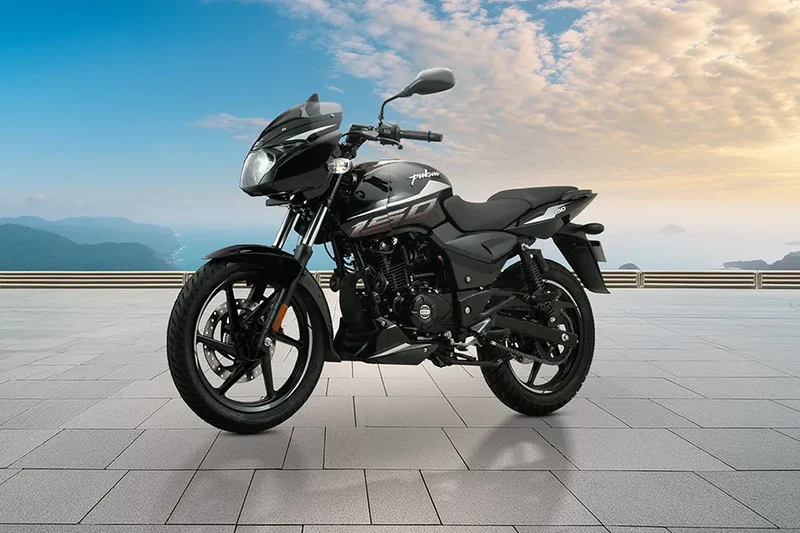
Ankit is standing in a Hyderabad showroom with two bikes in front of him. One is a 125cc that the salesman swears will return 60-plus km per litre. The other is a 150cc that looks sharper, pulls harder and costs a little more. His office is 18 km away, mostly stop-and-go traffic, with an occasional weekend run to his hometown on the highway.
The 125cc vs 150cc bike question is one of the most common dilemmas for anyone buying a commuter in India. On paper, the gap is just 25cc. On the road, it changes how the bike feels, what you spend every month and how relaxed long rides are. Let's break down the real differences so you can pick the one that fits your commute, not just the showroom pitch.
What Really Changes Between a 125cc and a 150cc Bike?
The extra 25cc buys you roughly 1–3 bhp more power, 1.5–3 Nm more torque, and usually 10–35 kg more weight. That trade-off shapes everything else. Here's how four popular commuters compare:
| Model | Engine | Power | Torque | Kerb weight | Mileage | Price |
|---|---|---|---|---|---|---|
| Honda Shine 125 | 123.94 cc | 10.59 bhp | 11 Nm | 113 kg | 55 kmpl (owner-reported) | ₹89,642–95,403 on-road Delhi |
| TVS Raider 125 | 124.8 cc | 11.2 bhp | 11.75 Nm | 123–125 kg | 55.78 kmpl (owner-reported) | ₹90,886–1.08 lakh on-road Delhi |
| Yamaha FZ-S Fi V4 | 149 cc | 12.2 bhp | 13.3 Nm | 136 kg | 60 kmpl (claimed) | ₹1.31 lakh on-road Delhi |
| Bajaj Pulsar 150 (91Wheels, BikeWale) | 149.5 cc | 14 PS | 14.1 Nm | 148 kg | 48 kmpl (owner-reported) | ₹1.16–1.23 lakh ex-showroom |
Notice the Shine 125 weighs 35 kg less than the Pulsar 150. In a crowded lane or a tight basement ramp, that difference is felt every single day. The 150s, on the other hand, carry their extra torque from lower revs, so overtaking a bus or climbing a flyover with a pillion needs fewer downshifts.
The 150cc segment also tends to come with wider tyres, rear disc brakes and sportier styling. A 125cc is usually lighter, more upright and built purely for comfort and economy.
Mileage and Monthly Fuel Cost
In real-world riding, a 125cc commuter usually returns a few more km per litre than a 150cc. The gap is smaller than most showroom talk suggests, and riding style matters more than engine size.
Take Ankit's commute: 36 km a day, roughly 1,000 km a month. Assuming petrol at about ₹100 a litre (check your city's rate):
| Bike mileage | Petrol per month | Monthly cost |
|---|---|---|
| 55 kmpl (typical 125cc, owner-reported) | 18.2 litres | about ₹1,820 |
| 48 kmpl (Pulsar 150, owner-reported) | 20.8 litres | about ₹2,080 |
That's a difference of roughly ₹260 a month, or about ₹3,100 a year. Real, but not life-changing. Some 150s, like the FZ-S with its 60 kmpl claimed figure, narrow the gap further, though claimed numbers are rarely matched in daily traffic.
What hurts mileage more on either bike: riding in the wrong gear, hard acceleration between signals, under-inflated tyres and skipped servicing.
Price, Insurance and Maintenance
Purchase price. This is where the bigger gap sits. In Delhi, a Shine 125 costs roughly ₹90,000–95,000 on-road, while an FZ-S Fi V4 is about ₹1.31 lakh on-road (Autocar India figures in the table above). That ₹35,000-plus difference covers more than ten years of the fuel gap we just calculated.
Insurance. Here's a detail many buyers miss. Third-party premiums are set by engine slab, and both 125cc and most 149–150cc bikes fall in the same 75–150cc bracket, about ₹714 a year for FY 2026-27. Cross into a 155–160cc model and you move into the 150–350cc slab at about ₹1,366 a year (The Hans India). Comprehensive cover will also cost more on a pricier bike.
Maintenance. Both classes use simple single-cylinder engines with similar service intervals. A 150cc may need slightly pricier tyres and brake pads, especially with a rear disc and wider rubber. Neither is expensive to run if you service on time.
City Traffic or Highway: Which Suits Your Commute?
Short city commutes (under 25 km a day). A 125cc makes more sense. It's lighter to filter through traffic, easier to push in a crowded parking lot, and comfortable in first and second gear at crawling speeds. Most city riding rarely goes above 50–60 km/h anyway, which a 125cc handles with ease.
Longer daily runs with open stretches. If your route includes a ring road, an expressway stretch or 40-plus km a day, a 150cc feels noticeably calmer. It holds 70–80 km/h with less effort and has power in reserve for overtaking trucks.
Riding with a pillion. Two adults plus a bag on a flyover is where a 125cc starts to feel stretched. If you regularly carry someone, the 150cc's extra torque helps.
Height and confidence. Newer or shorter riders often find a 125cc friendlier. The lower weight makes stopping and holding the bike in traffic less tiring.
If you're still unsure which category fits your riding at all, our guide to the types of bikes in India explains commuters, sports bikes, cruisers and more.
Safety: ABS and Braking
Safety is one area where 150cc bikes have had a clear edge. Under current rules, single-channel ABS is compulsory on bikes of 125cc and above, while smaller bikes only need a combined braking system (CBS) (RushLane). The Honda Shine 125, at 123.94 cc, has CBS and no ABS variant (Autocar India).
MoRTH proposed extending ABS to all two-wheelers from January 2026 in a June 2025 draft. As of September 2026, reports still describe this as a proposal rather than an enforced rule (VahanBazaar).
Some 125s already offer ABS, such as the top variants of the TVS Raider 125 (Autocar India). If ABS matters to you, and it should on wet monsoon roads, check the exact variant before you pay.
So, Which Should You Buy?
| Your situation | Better pick |
|---|---|
| Under 25 km a day, mostly city traffic | 125cc |
| Tight budget, mileage is the top priority | 125cc |
| First bike, or a shorter or newer rider | 125cc |
| 40+ km a day with highway or ring-road stretches | 150cc |
| Regular pillion rider or hilly routes | 150cc |
| Want ABS without hunting for a specific variant | 150cc |
| Weekend trips matter as much as office runs | 150cc |
Ankit, with his 18 km city commute and an occasional highway trip, would honestly be fine with a 125cc that has ABS. If those hometown runs become monthly, the 150cc earns its extra cost.
Always book a test ride on your actual route, at your actual commute time. Fifteen minutes in real traffic tells you more than any spec sheet.
Final Thoughts
The 125cc vs 150cc bike decision isn't about which is better on paper. It's about how far you ride, where you ride and who rides with you. For pure city commuting, a 125cc saves money upfront and stays easy to live with. For longer, faster or two-up rides, a 150cc's extra torque and standard ABS justify the price. Match the bike to your daily route, and either choice will serve you well for years. For more comparisons and buying guides, explore Khelo24race.
Frequently Asked Questions
Is a 125cc bike enough for daily office commuting?
Yes, for most city commutes under 25–30 km a day. A 125cc has enough power for traffic, flyovers and occasional highway stretches. It feels limited mainly with a regular pillion, steep routes or long high-speed runs.
Which gives better mileage, 125cc or 150cc?
Usually the 125cc, by a few km per litre. Owner-reported figures put popular 125s around 55 kmpl and the Pulsar 150 near 48 kmpl. Riding style, tyre pressure and servicing can change these numbers as much as engine size.
Is a 150cc bike good for beginners?
It can be, since 150cc commuters are not aggressive. The main challenge is the extra weight, often 10–35 kg more than a 125cc. Shorter or nervous riders may find a 125cc easier to manage in traffic and parking.
Do 125cc bikes have ABS?
Some do, but it's not compulsory below 125cc yet. Bikes under 125cc need only CBS under current rules. A proposal to make ABS mandatory for all two-wheelers was still not enforced as of September 2026, so check the variant.
Is insurance more expensive for a 150cc bike?
Not for third-party cover if it stays within 150cc. Both classes fall in the same 75–150cc slab, about ₹714 a year for FY 2026-27. Comprehensive premiums rise with the bike's price, so a pricier 150cc costs more there.
Can a 125cc bike handle highway rides?
Yes, for occasional trips. Most 125s cruise comfortably around 60–70 km/h. Sustained higher speeds, strong headwinds or a pillion with luggage will make the engine work harder, which is where a 150cc feels more relaxed.
How much more does a 150cc bike cost than a 125cc?
Typically ₹25,000–40,000 more on-road, depending on model and city. For example, a Shine 125 is about ₹90,000–95,000 on-road in Delhi, while an FZ-S Fi V4 is around ₹1.31 lakh.

About Premium Author
This post has been authored and published by one of our premium contributors, who are experts in their fields. They bring high-quality, well-researched content that adds significant value to our platform.


Popular Categories
Stay Connected
Recent Posts