Sewer Inspection Camera: 2026 Guide to Underground Pipes
Most homeowners think about the visible parts of a property: the roof, walls, floors, plumbing fixtures, and appliances. But some of the most important components of a home are hidden underground.
The sewer line is one of them.
A damaged or blocked sewer line can create unpleasant odors, slow drains, sewage backups, water damage, and expensive repair bills. Unfortunately, many sewer problems remain hidden until they become serious.
That is where a sewer inspection camera can make a significant difference. By using a specialized camera to examine the inside of underground sewer pipes, inspectors can identify potential problems without immediately relying on excavation or guesswork.
For homeowners, buyers, and sellers in 2026, sewer camera inspections can be a valuable part of understanding a property's plumbing system.
What Is a Sewer Inspection Camera?
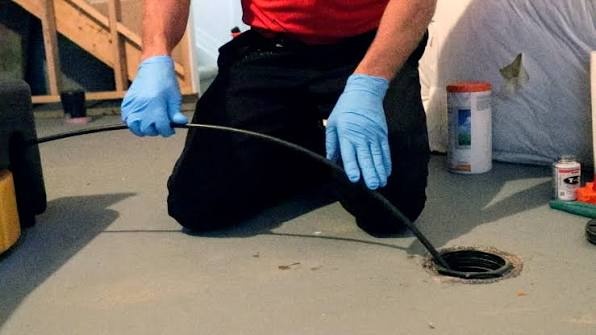
A sewer inspection camera is a specialized waterproof camera attached to a flexible cable. The camera is inserted into an accessible sewer cleanout or other suitable access point and guided through the underground pipe.
As the camera travels through the line, it sends images or video to a monitor. This allows an inspector to visually evaluate portions of the sewer system that would otherwise be hidden underground.
Depending on the property's plumbing configuration and accessibility, the inspection may reveal:
- Cracks
- Blockages
- Root intrusion
- Broken or displaced pipes
- Corrosion
- Deteriorated pipe sections
- Grease buildup
- Foreign objects
- Improper connections
- Other visible abnormalities
The exact visibility depends on pipe condition, access, camera equipment, and other site-specific factors.
Why Are Sewer Problems So Difficult to Detect?
Underground sewer pipes are out of sight, which means homeowners cannot easily determine their condition through a normal visual inspection.
A property can have attractive landscaping, a recently renovated bathroom, and apparently functional plumbing while still having an aging or damaged sewer line underground.
Some sewer problems may produce warning signs, but others can remain unnoticed until the pipe becomes significantly obstructed or damaged.
This makes proactive evaluation particularly valuable in certain circumstances.
Common Warning Signs of Sewer Problems
Homeowners should pay attention to changes in their plumbing system.
Potential warning signs include:
Slow Drains
One slow drain could be a localized plumbing issue. However, if several drains throughout the property become slow at the same time, there may be a larger drainage or sewer problem.
Frequent Backups
Recurring backups should not be treated as a normal part of homeownership.
They can indicate obstruction, damaged piping, or another underlying issue.
Unusual Odors
Persistent sewage odors around the property or inside the home may indicate a drainage or sewer problem that deserves professional evaluation.
Gurgling Sounds
Unusual gurgling from toilets or drains can sometimes accompany drainage problems.
Sewage Backup
A sewage backup is a serious warning sign. Homeowners should address the issue promptly rather than repeatedly treating the symptoms without determining the underlying cause.
Why Homebuyers Should Consider a Sewer Camera Inspection
Buying a home is a major financial commitment. Most buyers understand the importance of examining the roof, HVAC system, electrical components, and plumbing fixtures, but underground sewer lines are easy to overlook.
A sewer inspection camera provides an opportunity to visually evaluate accessible portions of the sewer line before completing a purchase.
This can be especially useful when purchasing:
- Older homes
- Properties with mature trees
- Homes with a history of plumbing problems
- Properties with recurring drain backups
- Homes with unknown sewer-line history
- Properties where the sewer line is aging
Identifying a significant problem before closing may give buyers more information for making an informed decision.
Tree Roots Can Damage Sewer Lines
Trees provide shade and improve the appearance of a property, but their roots can create problems for underground plumbing.
Roots naturally seek moisture. Small cracks or joints in sewer pipes can provide pathways where roots may enter.
Once inside, roots can grow and create obstructions that interfere with wastewater flow.
A camera inspection can sometimes reveal root intrusion and help determine where the problem is located.
Older Pipes May Require Extra Attention
The age and material of a sewer line can affect its condition.
Older properties may contain aging pipes that have experienced years of ground movement, root intrusion, corrosion, deterioration, or other stresses.
That does not mean every older sewer line needs replacement.
Instead, a camera inspection can provide visual information about the accessible portion of the line and help determine whether additional evaluation may be appropriate.
What Happens During a Sewer Camera Inspection?
The process is generally straightforward.
Step 1: Locate an Access Point
The inspector identifies an appropriate sewer cleanout or other access point.
Step 2: Insert the Camera
A flexible cable with a waterproof camera is carefully inserted into the sewer line.
Step 3: Navigate the Pipe
The camera is guided through the accessible sections of the underground plumbing.
Step 4: Observe the Interior
The inspector watches the live video feed for visible defects, obstructions, root intrusion, pipe deterioration, and other abnormalities.
Step 5: Document Findings
Depending on the inspection service, video, photographs, measurements, or written observations may be provided as part of the report.
The inspection process allows homeowners to see conditions that would otherwise remain hidden underground.
Sewer Camera Inspection vs. Traditional Excavation
One major advantage of camera inspection is that it can provide information without immediately excavating the property.
Traditional excavation may require digging through landscaping, driveways, flooring, or other surfaces to expose a buried pipe.
A camera can potentially identify the location and nature of a visible problem first.
This does not eliminate the need for excavation in every situation. If a damaged pipe needs to be repaired or replaced, excavation or another repair method may ultimately be necessary.
However, knowing where the problem is located can help professionals determine the appropriate next step.
Sewer Inspections Are Valuable Before Selling a Home
Sewer problems discovered after a real estate transaction can become an unexpected source of conflict and expense.
Home sellers may benefit from having the sewer line evaluated before listing the property, particularly if the home is older or has experienced previous plumbing issues.
A proactive inspection can help sellers understand the condition of the accessible sewer line and address significant concerns before negotiations begin.
It can also provide useful documentation for prospective buyers when appropriate.
Don't Ignore Minor Plumbing Problems
A slow drain may seem like a simple inconvenience. Pouring a chemical drain cleaner down the pipe might temporarily improve flow, but it does not necessarily address the underlying problem.
If drainage issues repeatedly return, homeowners should consider professional evaluation.
Repeated symptoms can indicate that the problem is deeper in the plumbing system.
Limitations of a Sewer Camera Inspection
Although camera technology is extremely useful, it is important to understand its limitations.
A camera inspection evaluates what the camera can physically access and visually observe. Certain portions of a sewer system may be inaccessible, and severe blockages may prevent the camera from traveling farther down the line.
A camera also cannot necessarily identify every structural or functional issue.
When significant concerns are discovered, additional evaluation by a qualified plumbing professional may be appropriate.
How Often Should You Have a Sewer Inspection?
There is no universal schedule that applies to every property.
The need for a sewer camera inspection depends on factors such as:
- Property age
- Pipe material
- Previous plumbing problems
- Tree growth near sewer lines
- Drainage symptoms
- Previous repairs
- Property purchase or sale
- Local conditions
For homebuyers, performing an inspection during the due-diligence period can be particularly valuable.
Homeowners who experience recurring plumbing symptoms may also benefit from an evaluation rather than repeatedly treating individual drain problems.
The Importance of Preventive Maintenance in 2026
Modern inspection technology gives homeowners more opportunities to understand hidden property components before they fail.
A sewer inspection camera can provide valuable visual information about underground plumbing without immediately resorting to invasive excavation.
For homeowners, this can support better maintenance decisions. For buyers, it can provide additional information before making a significant investment. For sellers, it can help identify potential issues before they become transaction complications.
Conclusion
Sewer lines are easy to forget because they are hidden beneath the property. Yet when a sewer problem occurs, the consequences can be disruptive and expensive.
Slow drains, recurring backups, sewage odors, and other warning signs should not simply be ignored. A professional camera inspection can help identify visible conditions inside accessible sections of the sewer line and provide homeowners with information about potential problems.
In 2026, proactive property maintenance is increasingly focused on both visible and hidden systems. A sewer camera inspection is one practical way to look beneath the surface and make more informed decisions about a home's plumbing infrastructure.
Whether you are buying an older property, preparing to sell, or dealing with recurring drainage problems, understanding the condition of the sewer line can be an important part of protecting your investment.

About Premium Author
This post has been authored and published by one of our premium contributors, who are experts in their fields. They bring high-quality, well-researched content that adds significant value to our platform.
Popular Categories
Stay Connected
Recent Posts