Custom Embroidery Digitizing Services in USA: Turning Artwork Into Professional Stitch Files
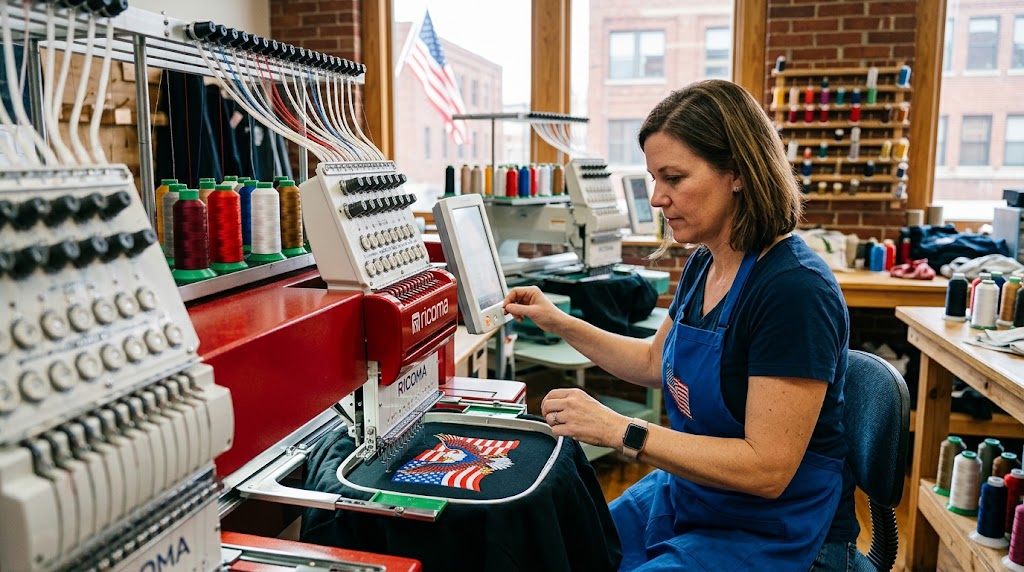
Custom embroidery can give apparel, uniforms, hats, jackets, patches, and promotional products a professional and memorable appearance. However, creating quality embroidery involves more than placing an image into an embroidery machine. Your artwork must first be converted into a specialized stitch file that tells the machine exactly how to reproduce the design.
This process is known as embroidery digitizing.
For businesses, apparel brands, embroidery shops, sports teams, and individuals across the United States, choosing reliable embroidery digitizing services in USA can make a significant difference in the quality and consistency of the finished embroidery.
A properly digitized design considers stitch direction, density, underlay, sequencing, fabric type, design size, and other technical factors. The result is an embroidery file that is better prepared for real-world production.
What Is Custom Embroidery Digitizing?
Embroidery digitizing is the process of converting artwork into a machine-readable embroidery file. Instead of working with pixels like a JPG or PNG, an embroidery machine follows stitch instructions contained within a specialized file.
These instructions determine where the needle moves, how stitches are arranged, when colors change, and how different areas of the design are constructed.
Professional digitizing may involve:
Selecting appropriate stitch types
Planning stitch direction
Setting suitable stitch density
Creating proper underlay
Organizing stitch sequences
Adjusting designs for different fabrics
Managing small lettering and fine details
Reducing unnecessary jumps and trims
Preparing the correct machine file format
This is why simply converting an image into a file extension is not enough. The artwork needs to be technically prepared for embroidery.
Why Businesses Need Professional Embroidery Digitizing Services
A design can look excellent on a computer screen but produce poor results when stitched. Problems such as excessive density, incorrect sequencing, poor registration, or unsuitable stitch direction can affect the final appearance.
Professional embroidery digitizing services focus on preparing artwork specifically for the intended embroidery application.
For example, a logo intended for a polo shirt may require different settings from the same logo being embroidered on a structured cap. Similarly, a large jacket-back design requires different planning from a small left-chest logo.
Professional digitizing helps businesses achieve more consistent results while reducing the risk of wasted garments, thread problems, and production delays.
What Makes Custom Embroidery Digitizing Different?
Custom digitizing is not a one-size-fits-all process.
Every design has its own requirements based on its artwork, size, colors, fabric, placement, and intended embroidery technique.
A professional digitizer may modify the original artwork to make certain details more suitable for stitching while maintaining the overall appearance of the design.
Important considerations include:
Stitch Density
Stitch density determines how closely stitches are placed within an area. Too much density can make embroidery unnecessarily heavy and may contribute to puckering or thread-related problems. Too little density can result in weak coverage.
The appropriate density depends on the design and fabric.
Stitch Direction
Stitch direction influences the appearance and texture of embroidered areas. Carefully planned stitch angles can create visual separation between different sections of a design.
Underlay
Underlay provides a foundation beneath the visible stitches. It can help stabilize the fabric and support the top stitching.
Different designs and materials may require different underlay approaches.
Stitch Sequencing
The order in which elements are embroidered matters. Proper sequencing can help maintain registration and reduce unnecessary movements, jumps, and trims.
Fabric Considerations
Embroidery behaves differently on cotton, denim, fleece, caps, jackets, towels, and other materials.
A professional digitizing approach considers the intended fabric rather than treating every project identically.
Popular Types of Custom Embroidery Digitizing
Different embroidery projects require different digitizing techniques. Some of the most common services include:
Logo Digitizing
Business logos are among the most frequently digitized designs. A professionally prepared logo can be used on uniforms, polos, jackets, hats, promotional apparel, and other branded products.
If you are starting with a company logo, professional logo digitizing services can help transform the artwork into an embroidery-ready format.
Cap and Hat Digitizing
Caps have curved surfaces and can present different challenges compared with flat garments.
Cap digitizing takes the shape and construction of the hat into consideration when planning the embroidery file. This is particularly important for businesses producing branded hats, sports caps, promotional headwear, and custom merchandise.
3D Puff Digitizing
3D puff embroidery creates a raised appearance by adding dimensional foam beneath selected areas of the design.
It is frequently used for logos and lettering on hats and other suitable apparel. Because the technique requires specific stitch planning, 3D puff designs should be digitized specifically for the intended application.
Jacket-Back Digitizing
Large jacket-back designs contain more stitches and usually involve more complex sequencing than small logos.
The digitizing process needs to consider stitch direction, registration, density, and the weight of the finished embroidery.
Appliqué Digitizing
Appliqué combines fabric pieces with embroidery to create designs using less thread in selected areas while producing an attractive layered appearance.
It can be used for apparel, sportswear, uniforms, jackets, and decorative projects.
Small Text and Monogram Digitizing
Small lettering can be particularly challenging because reducing a design too much can make letters difficult to read.
Professional digitizing considers letter size, font characteristics, spacing, stitch structure, and fabric to help preserve readability.
What File Formats Are Used for Embroidery?
Embroidery machines use specialized file formats rather than standard image files.
Common embroidery formats include:
DST
PES
JEF
EXP
VP3
HUS
SEW
XXX
EMB
The correct format depends on the embroidery machine being used. Rise Digitizing provides multiple embroidery formats and can prepare files according to the requirements supplied with an order.
If you are unsure which format your machine requires, provide the machine model or file requirements when submitting your artwork.
How the Custom Digitizing Process Works
A professional digitizing workflow generally begins with the original artwork and ends with a machine-ready embroidery file.
1. Submit Your Artwork
Start by providing your logo, illustration, lettering, photograph, or other artwork.
High-quality artwork makes it easier to understand the original design, although experienced digitizers can often work with different types of source files.
2. Review the Design
The artwork is reviewed to determine its complexity, intended size, fabric, placement, colors, and embroidery requirements.
At this stage, potential problems such as very small details or complicated elements can be identified.
3. Create the Stitch Plan
The artwork is converted into embroidery objects and stitch structures.
The digitizer determines appropriate stitch types, directions, density, underlay, and sequencing for the individual sections.
4. Optimize the File
The design is adjusted to improve its suitability for production.
This can include reducing unnecessary stitches, improving registration, adjusting density, and making small details more practical for embroidery.
5. Quality Check
The completed file is reviewed before delivery to identify potential issues.
A quality-focused workflow helps ensure that the final file is prepared according to the requested specifications.
6. Receive Your Embroidery File
The finished file can then be supplied in the required embroidery format so it can be transferred to the appropriate embroidery machine.
How to Prepare Artwork for Digitizing
You can make the process easier by providing as much useful information as possible.
Before submitting your artwork, consider providing:
Original logo or artwork
Preferred embroidery size
Garment or product type
Placement of the design
Preferred thread colors
Required embroidery file format
Embroidery machine information
Any special instructions
For example, tell the digitizer whether the design will be placed on a cap, polo shirt, jacket, hoodie, towel, or patch.
The more information available about the final application, the easier it is to plan the file accordingly.
Custom Embroidery Digitizing for Different Businesses
Professional digitizing can support a wide range of businesses and organizations.
Clothing Brands
Fashion and apparel brands can transform logos, illustrations, lettering, and decorative artwork into embroidery-ready designs for garments and accessories.
Embroidery Shops
Embroidery businesses often require reliable digitizing support for customer logos, uniforms, hats, jackets, patches, and promotional products.
Sports Teams
Teams can digitize logos, player names, numbers, mascots, and other artwork for uniforms, jackets, caps, and fan merchandise.
Schools and Organizations
Schools, clubs, universities, and organizations can use digitized artwork for uniforms, staff clothing, bags, hats, and promotional products.
Promotional Product Companies
Companies producing branded merchandise can use embroidery digitizing for corporate logos and promotional apparel.
Small Businesses
A professionally embroidered logo can help create a consistent visual identity across employee uniforms, workwear, caps, and promotional products.
Embroidery Digitizing vs. Regular Image Conversion
One common misconception is that embroidery digitizing simply means changing an image into an embroidery file extension.
It is much more involved.
A standard JPG or PNG contains pixels. An embroidery file contains instructions for stitches.
The digitizer must determine how the artwork should actually be constructed with thread.
For example, a curved logo outline may need a specific stitch direction and underlay. A small lettering section may need to be redesigned for readability. A large filled area may require careful density management.
This technical planning is what separates a production-oriented embroidery file from a basic file conversion.
How Much Does Embroidery Digitizing Cost?
The cost of digitizing depends on the requirements of the individual project.
Factors that can affect pricing include:
Design complexity
Stitch count
Design dimensions
Number of colors
Small lettering
Fabric type
Embroidery technique
3D effects
Artwork quality
Required file formats
Turnaround requirements
A simple logo may require considerably less work than a detailed jacket-back design or photo embroidery.
Before ordering, it is useful to provide the artwork and intended size so the digitizing provider can evaluate the project accurately.
Common Embroidery Digitizing Problems to Avoid
Poorly prepared embroidery files can create avoidable production issues.
Some common problems include:
Excessive Stitch Density
Too many stitches in a small area can make embroidery heavy and may increase production problems.
Poor Registration
When design elements do not align correctly, outlines and color sections can appear misplaced.
Incorrect Underlay
Insufficient or unsuitable underlay can affect stability and coverage.
Too Much Detail
Extremely small artwork details may not translate well into thread. Some elements need to be simplified for embroidery.
Incorrect File Format
Using an incompatible file format can prevent an embroidery machine from properly reading the design.
Ignoring the Fabric
A file designed without considering the target material may not produce the expected result when stitched.
Why Choose Custom Embroidery Digitizing Services in USA?
For businesses serving the American apparel and promotional-products market, having access to dependable digitizing support can simplify the production workflow.
Custom embroidery digitizing services in USA can be useful when you need professionally prepared files for company logos, uniforms, hats, jackets, patches, sports apparel, and other embroidered products.
Rise Digitizing provides custom embroidery digitizing for different applications and supports common embroidery formats including DST, PES, JEF, EXP, VP3, and others. The company also highlights manual attention to stitch planning, design structure, and production requirements.
Whether you need one logo digitized or regularly require files for an embroidery business, the right digitizing workflow can help turn digital artwork into practical embroidery designs.
Frequently Asked Questions
What is custom embroidery digitizing?
Custom embroidery digitizing is the process of converting artwork into a specialized stitch file that an embroidery machine can understand and use to reproduce the design.
Can I submit a JPG or PNG for digitizing?
Yes. JPG and PNG files can be used as source artwork. However, the quality and complexity of the image may affect how easily the design can be prepared for embroidery.
What is the best file format for embroidery?
There is no single format that is best for every machine. DST, PES, JEF, EXP, VP3, and other formats are used by different embroidery systems. The correct format depends on your machine.
Can logos be digitized for hats?
Yes. Logos can be specifically digitized for caps and hats. Because caps have curved surfaces, the file should be prepared with the application in mind.
Can detailed artwork be converted into embroidery?
Many types of detailed artwork can be digitized, but some very small details may need to be simplified or adjusted to achieve a clear embroidered result.
How quickly can an embroidery file be completed?
Turnaround depends on design complexity, size, technique, and order volume. Simple designs generally require less preparation than complex artwork.
Final Thoughts
Professional embroidery begins with a properly prepared digital file. The quality of the original artwork matters, but the way that artwork is converted into stitches can have an equally important impact on the finished product.
From business logos and sports uniforms to caps, jackets, patches, monograms, and promotional apparel, custom digitizing requires careful attention to stitch structure, density, underlay, sequencing, fabric, and design size.
If you are looking for custom embroidery digitizing services in USA, Rise Digitizing can help transform your artwork into embroidery-ready files for your specific project.
For more resources, explore the complete embroidery digitizing guide or browse the embroidery guide for practical information about embroidery files, stabilizers, hooping, thread, and machine-related topics.
You can also explore logo digitizing if your primary requirement is converting a business logo into a professional embroidery file.
Submit your artwork, provide your embroidery requirements, and take the next step toward creating clean, professional embroidered products.

About Premium Author
This post has been authored and published by one of our premium contributors, who are experts in their fields. They bring high-quality, well-researched content that adds significant value to our platform.
Popular Categories
Stay Connected
Recent Posts